7 Powerful Tomato Benefits — When to Eat Tomatoes for Heart, Skin, and Daily Energy
By Felixsr · Health · 7 min read
The benefits of tomatoes go far beyond being a simple salad ingredient. Tomatoes are low in calories, rich in vitamin C and potassium, and one of the best everyday sources of lycopene — a red plant pigment linked to antioxidant support, heart health, and skin protection. The key is not just eating tomatoes, but knowing when to eat tomatoes and how to pair them for better absorption.
Benefits of Tomatoes Start With Lycopene — The Red Antioxidant That Makes Tomatoes Special
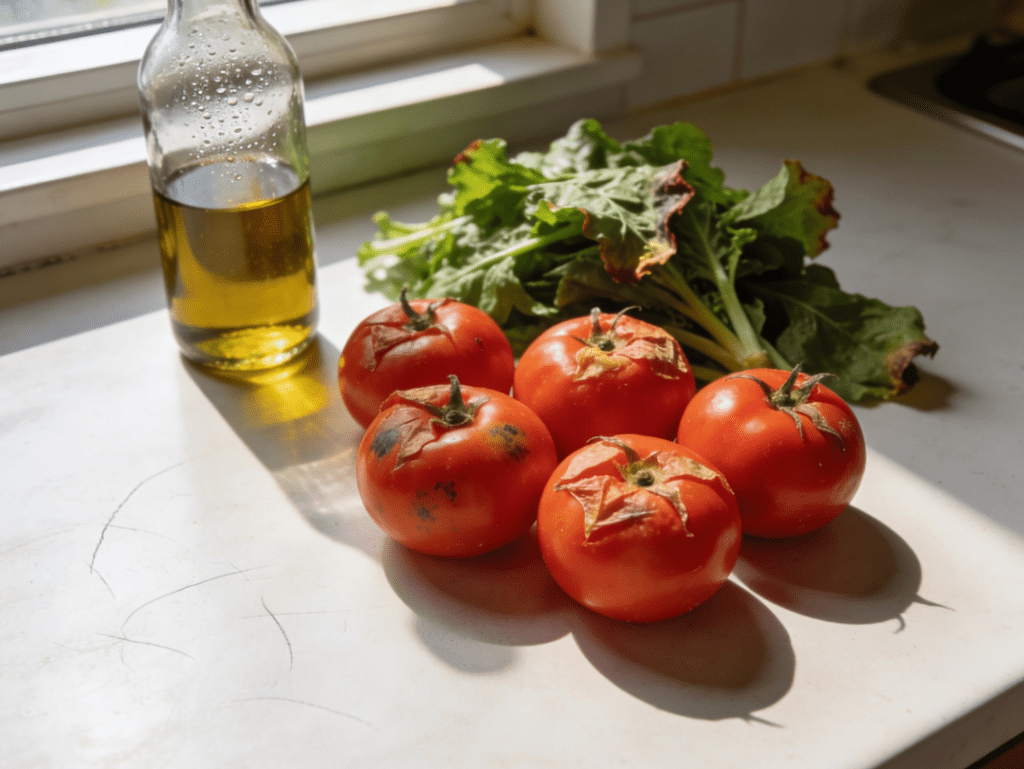
The most famous compound in tomatoes is lycopene, the red carotenoid pigment that gives ripe tomatoes their deep color. Lycopene acts as an antioxidant, meaning it helps protect cells from oxidative stress caused by unstable molecules known as free radicals.
This is why the benefits of tomatoes are often connected to long-term wellness, especially heart health and skin protection. Research on tomato products and lycopene suggests potential links with better cardiovascular markers, lower oxidative stress, and healthier inflammation balance.
However, tomatoes should not be treated like medicine. The strongest approach is to think of tomatoes as a daily supportive food: easy to eat, low in calories, nutrient-rich, and simple to combine with other healthy ingredients.
“Tomatoes are valuable because they combine hydration, fiber, vitamin C, potassium, and lycopene in one simple food. The benefit is strongest when they are part of a regular eating pattern rather than an occasional superfood trend.”
Tomatoes May Support Heart Health Because They Contain Lycopene and Potassium
One of the strongest reasons to eat tomatoes regularly is heart support. Tomatoes provide potassium, a mineral involved in healthy fluid balance and blood pressure regulation. They also provide lycopene, which has been studied for possible cardiovascular benefits.
A tomato-rich diet can fit naturally into heart-friendly eating patterns because tomatoes are low in calories, naturally low in fat, and easy to combine with vegetables, beans, fish, olive oil, and whole grains. That makes them especially useful for people trying to improve meal quality without making their diet complicated.
The most practical way to use tomatoes for heart health is not to eat them alone, but to build meals around them: tomato salad with olive oil, tomato-based vegetable soup, tomato sauce with whole-grain pasta, or tomatoes with eggs and avocado.
| Tomato Nutrient | Main Role | Best Food Pairing |
|---|---|---|
| Lycopene | Antioxidant support | Olive oil, avocado, eggs |
| Potassium | Fluid and blood pressure support | Beans, greens, fish |
| Vitamin C | Skin and immune support | Fresh vegetables, citrus, herbs |
| Water + fiber | Fullness and digestion | Whole grains, lentils, salads |
When to Eat Tomatoes: Morning, Lunch, or Dinner?
The best time to eat tomatoes depends on your goal. For general health, tomatoes can be eaten at breakfast, lunch, or dinner. But if you want better digestion and less chance of acid reflux, daytime meals are usually the safest choice.
Morning tomatoes work well with eggs, avocado, whole-grain toast, or cottage cheese. At lunch, tomatoes are excellent in salads, wraps, grain bowls, and soups. At dinner, cooked tomato dishes can be healthy, but people with reflux or sensitive digestion may want to avoid heavy tomato sauces too close to bedtime.
A simple rule: eat raw tomatoes earlier in the day for freshness and hydration, and eat cooked tomatoes with healthy fat at lunch or early dinner for better lycopene absorption.
| Time | Best Tomato Style | Why It Works |
|---|---|---|
| Breakfast | Fresh tomato slices | Light, hydrating, easy with eggs |
| Lunch | Tomato salad or soup | Balanced meal, good digestion window |
| Early dinner | Cooked tomato sauce | Better lycopene absorption with oil |
| Late night | Avoid heavy tomato meals | May trigger reflux in sensitive people |

Raw or Cooked Tomatoes: Which Is Better?
Raw tomatoes and cooked tomatoes both have advantages. Raw tomatoes are refreshing, hydrating, and a good source of vitamin C. They are ideal for salads, sandwiches, breakfast plates, and light snacks.
Cooked tomatoes, especially when eaten with olive oil, may help your body absorb lycopene more effectively. This is why tomato sauce, tomato soup, roasted tomatoes, and tomato paste can be useful options when prepared with minimal added sugar and moderate salt.
The smartest answer is not raw versus cooked. It is both. Eat raw tomatoes for freshness and vitamin C, and cooked tomatoes for lycopene absorption.
“Lycopene is fat-soluble, so tomato dishes that include a small amount of healthy fat can be more effective than eating plain tomatoes alone. A drizzle of olive oil can make a meaningful difference.”
Benefits of Tomatoes for Skin, Digestion, and Weight Control
Tomatoes are useful for people who want a light but satisfying food. Because they contain water and fiber while staying low in calories, tomatoes can help add volume to meals without making them heavy. This can support weight management when combined with balanced protein and whole-food carbohydrates.
The benefits of tomatoes also include skin support. Vitamin C plays a role in collagen formation, while lycopene and other carotenoids may help the skin handle oxidative stress. This does not replace sunscreen, but tomato-rich meals can be part of a skin-friendly diet.
For digestion, tomatoes are generally light and easy to include in meals. But people with acid reflux, gastritis, or sensitive stomachs may need to limit tomato sauce, tomato juice, or late-night tomato-heavy meals.
The Best Way to Get the Benefits of Tomatoes Is Timing + Pairing
Tomatoes are simple, but the strategy matters. If you want the most practical health benefit, focus on when you eat them, how you prepare them, and what you eat them with.
Bottom line: Eat tomatoes regularly, pair them with healthy fat, use both raw and cooked forms, and avoid heavy tomato meals right before bed if you are sensitive to acid reflux.
- USDA FoodData Central — Raw tomato nutrition data ↗
- PubMed Central — Tomato lycopene and human health review ↗
- PubMed Central — Health effects of tomato lycopene update ↗
- PubMed Central — Lycopene antioxidant and health benefits review ↗
- Harvard Health — Lycopene-rich tomatoes and stroke risk discussion ↗
- Frontiers in Nutrition — Tomato, lycopene intake and long-term health outcomes ↗
⚠️ Disclaimer: This post is for informational purposes only and does not constitute medical advice. Tomatoes are generally healthy for most people, but individuals with acid reflux, food allergies, kidney disease, or medically restricted potassium intake should consult a qualified healthcare professional before making major dietary changes.